


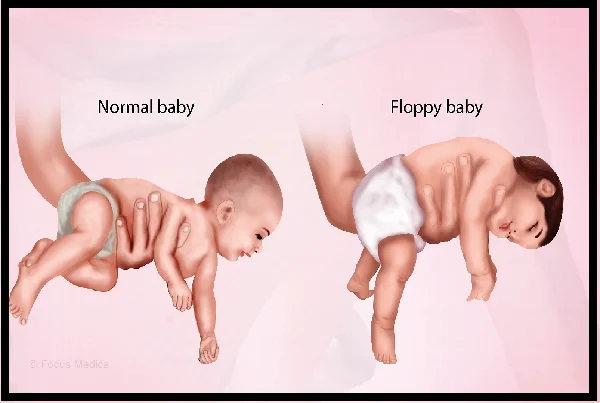
| Category | Paediatrics |
A spastic or floppy child refers to muscle tone abnormalities where a child exhibits either excessive stiffness (spasticity) or extreme weakness (hypotonia). Spasticity is common in conditions like cerebral palsy, where muscle tightness affects movement. Hypotonia (floppiness) results from weak muscle control and can be associated with Down syndrome, muscular dystrophy, or neurological disorders. Symptoms include difficulty sitting, standing, walking, and performing coordinated movements. Physiotherapy is the cornerstone of treatment, involving stretching exercises for spasticity and strength training for hypotonia. Weight-bearing activities improve posture, stability, and muscle function. Occupational therapy aids in hand coordination, daily activities, and sensory integration. Assistive devices, orthotics, and splints support mobility and alignment. Regular therapy, combined with family support and early intervention, ensures better movement and independence.


