


| Category | Women Health |
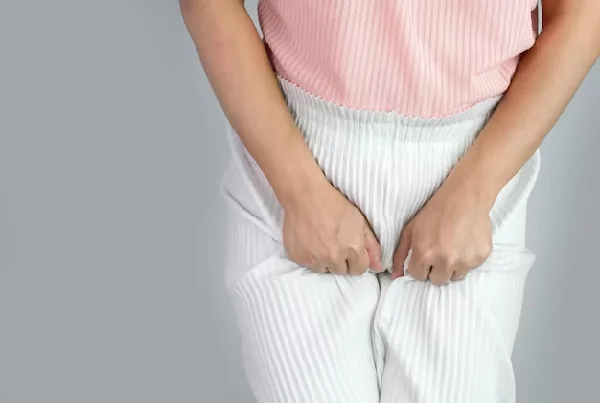
Urinary incontinence is the involuntary leakage of urine due to weakened bladder control. It affects individuals of all ages but is more common in women post-pregnancy and older adults. The main types include stress incontinence (leakage during coughing, sneezing, or exercise), urge incontinence (sudden, strong urge to urinate), and overflow incontinence (incomplete bladder emptying). Causes include pelvic floor weakness, nerve damage, menopause, obesity, and chronic coughing. Treatment involves pelvic floor exercises (Kegels), bladder training, lifestyle modifications, and dietary changes. Physiotherapy includes strengthening the pelvic floor muscles, biofeedback, and electrical stimulation to improve bladder control. Patients are advised to limit caffeine and alcohol intake, maintain a healthy weight, and follow a scheduled urination routine. In severe cases, medication or surgical interventions may be required. With proper physiotherapy and lifestyle adjustments, urinary incontinence can be effectively managed, restoring confidence and quality of life.


