


| Category | Cardio Pulmonary |
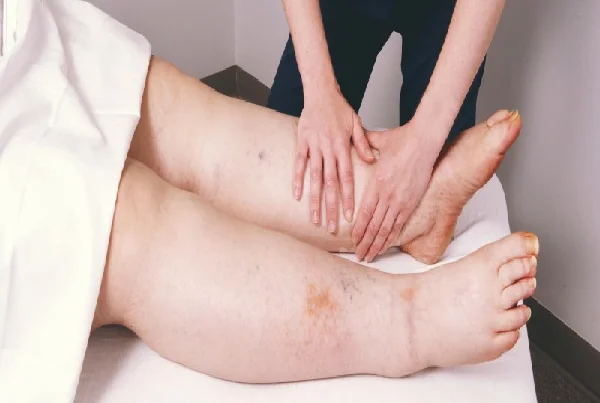
Lymphedema is a condition characterized by swelling due to the accumulation of lymphatic fluid, usually in the arms or legs. It occurs when the lymphatic system, responsible for draining excess fluid and filtering waste, is damaged or blocked. The condition may be congenital (primary lymphedema) or acquired (secondary lymphedema), often resulting from cancer treatments, surgeries, radiation therapy, infections, or trauma. Symptoms include persistent swelling, heaviness, tightness, discomfort, and reduced range of motion in the affected area. The skin may become thick, dry, or prone to infections such as cellulitis. Lymphedema can progress over time, leading to significant mobility issues and discomfort if left untreated. Although there is no cure, the condition can be managed through therapies such as Manual Lymphatic Drainage (MLD), compression garments, pneumatic compression devices, and specialized exercises to stimulate lymphatic flow. Physiotherapy plays a crucial role in managing lymphedema by incorporating movement therapy, massage techniques, and lifestyle modifications. Patients should avoid prolonged immobility, maintain skin hygiene, and refrain from activities that cause excessive pressure on the affected limb. A healthy diet, hydration, and weight management also contribute to symptom relief. In severe cases, surgical interventions such as lymphatic bypass or lymph node transfer may be considered. Early diagnosis and proactive treatment can significantly reduce complications and improve the quality of life for individuals with lymphedema.


